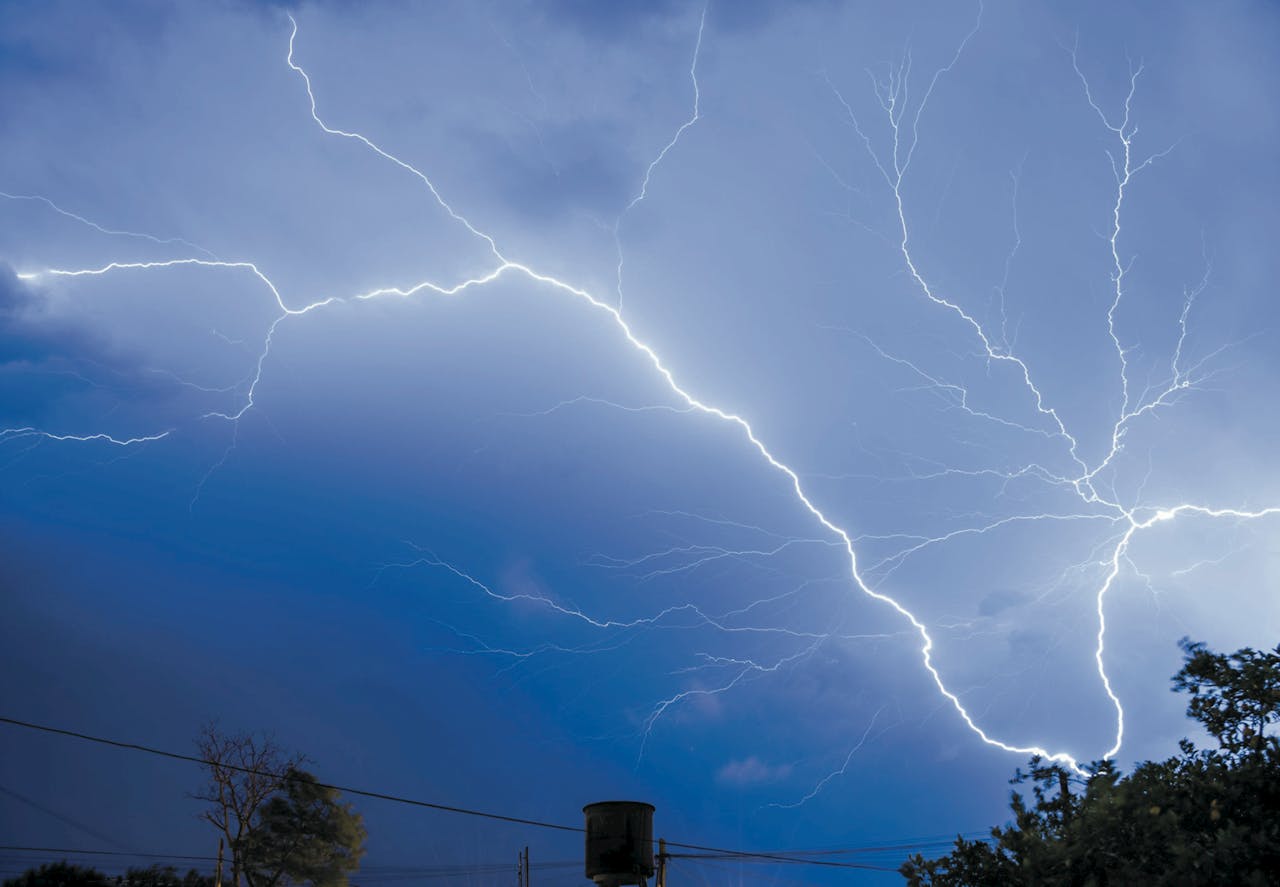
Severe weather can disrupt operations with little warning, putting employees, facilities, and business continuity at risk. From hurricanes and floods to winter storms and tornadoes, employers across the country face weather threats that require preparation long before a storm appears in the forecast. Safety experts emphasize that emergency planning is not just about fire drills; it should account for any type of emergency that could affect a workplace.
Having a clear plan in place helps organizations protect people first, then minimize property damage, and finally recover faster so operations can resume. Without preparation, even a short disruption can lead to lost productivity, unexpected costs, and prolonged downtime.
The good news is that employers can take practical steps now to improve readiness and help their teams respond calmly and safely when severe weather strikes.
Start With an Emergency Action Plan
Every workplace should have an emergency action plan that addresses the types of severe weather most likely to occur in the region. This plan should outline procedures for protecting employees, securing equipment, and maintaining communication during an emergency.
Effective plans often focus on three phases. First comes life safety, which includes identifying safe shelter areas, evacuation routes, and emergency roles. Next is damage mitigation, such as securing facilities, protecting critical systems, and preparing backup resources. Finally, employers should plan for recovery, including restoring operations, communicating with staff, and minimizing business losses.
Employers can use resources like the National Weather Service to understand local risks and historical weather patterns, which helps ensure their plans address realistic scenarios rather than generic threats.
Communicate Clearly and Train Regularly
Even the best emergency plan will fail if employees do not understand it. Clear communication systems are essential so workers know when severe weather is approaching and what actions to take. Many organizations use multiple alert methods, including text messaging, warning systems, and internal announcements, to ensure messages reach everyone quickly.
Training is equally important. Employers should regularly educate employees on emergency procedures, conduct drills, and test alert systems to ensure readiness. Consistent training builds confidence and reduces panic, helping employees respond quickly and appropriately when a real emergency occurs.
When organizations combine planning, communication, and training, they create a safer workplace and strengthen operational resilience during unexpected disruptions.
Partner With Atlantic Staffing to Strengthen Workplace Preparedness
Severe weather preparedness is not just a safety issue; it is also a workforce management challenge. When storms disrupt operations, employers need reliable staffing solutions, contingency planning, and support to maintain productivity.
Atlantic Staffing helps businesses stay prepared by providing dependable workforce solutions, flexible staffing options, and support during unexpected disruptions. Whether you need temporary coverage during emergencies, help building resilient teams, or guidance on workforce planning, our team is ready to help.
Connect with Atlantic Staffing today to learn how our staffing expertise can support your business continuity and help you build a stronger, more prepared workplace.